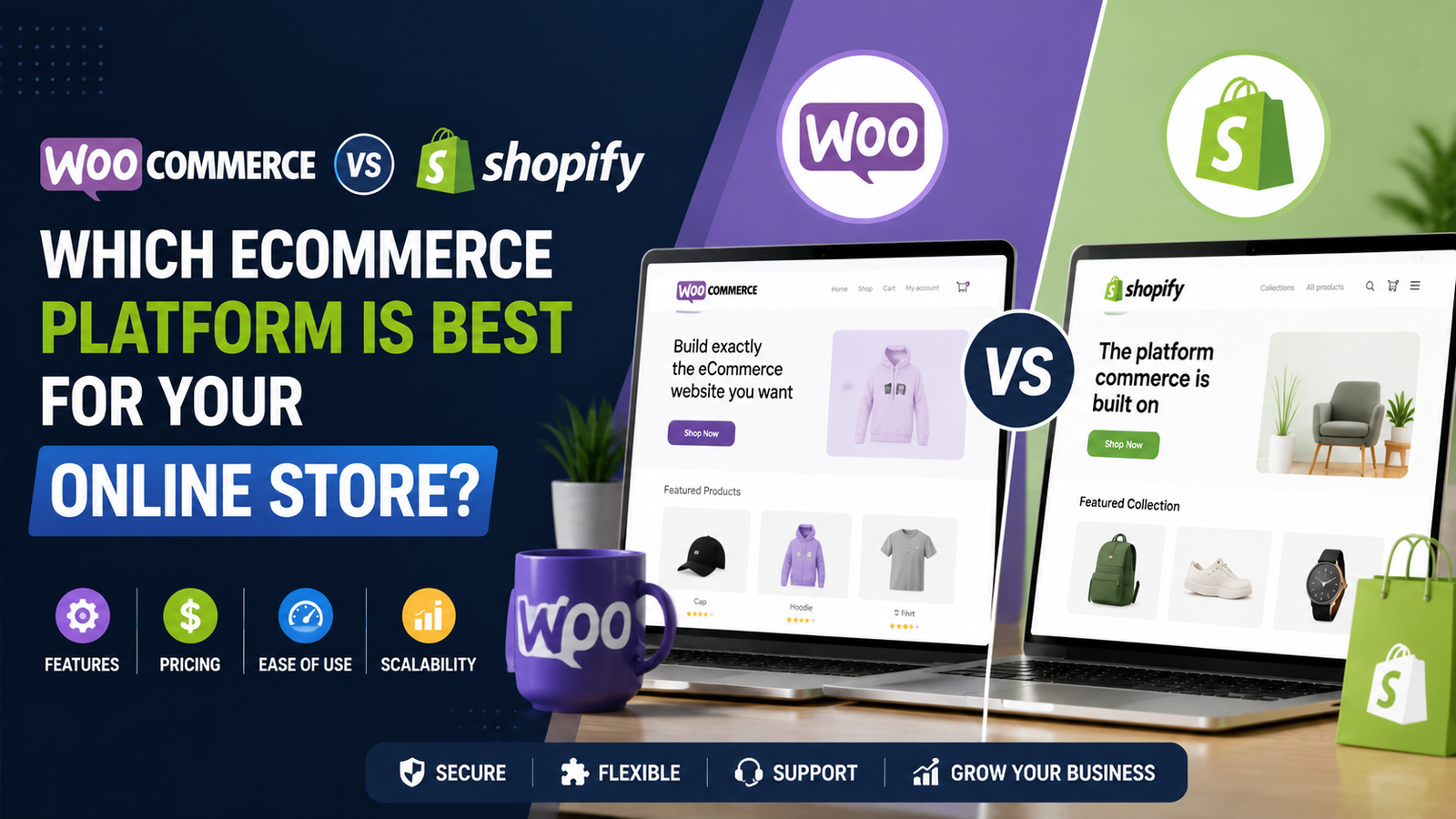
A Complete Guide for Small Businesses and Growing E-commerce Brands
Picking the right e-commerce platform is a big decision for your online business. Shopify and WooCommerce are both popular choices, each with its own strengths. The right platform helps your store grow, perform well, and convert visitors into customers. This guide, titled WooCommerce vs Shopify, will help you decide which option matches your business goals, technical needs, and future plans. When considering WooCommerce vs Shopify, think about your specific needs and what each platform offers.
1. Ease of Setup and Learning Curve
Shopify is user-friendly, with an easy-to-use interface and fast setup. You can get your store online in just a few hours, since hosting, security, and key sales features are included. This makes Shopify a great choice for startups or anyone who wants a simple, fastlaunch.
In the realm of WooCommerce vs Shopify, it’s essential to weigh the pros and cons based on your business model and growth objectives.
Choosing between WooCommerce vs Shopify can significantly impact your online sales and customer engagement strategies.
WooCommerce runs on WordPress and takes more time to set up, since you need to arrange hosting and add plugins. But it gives you full control and endless ways to customize your store. If you have technical skills or a developer, you can build a store that fits your exact needs.
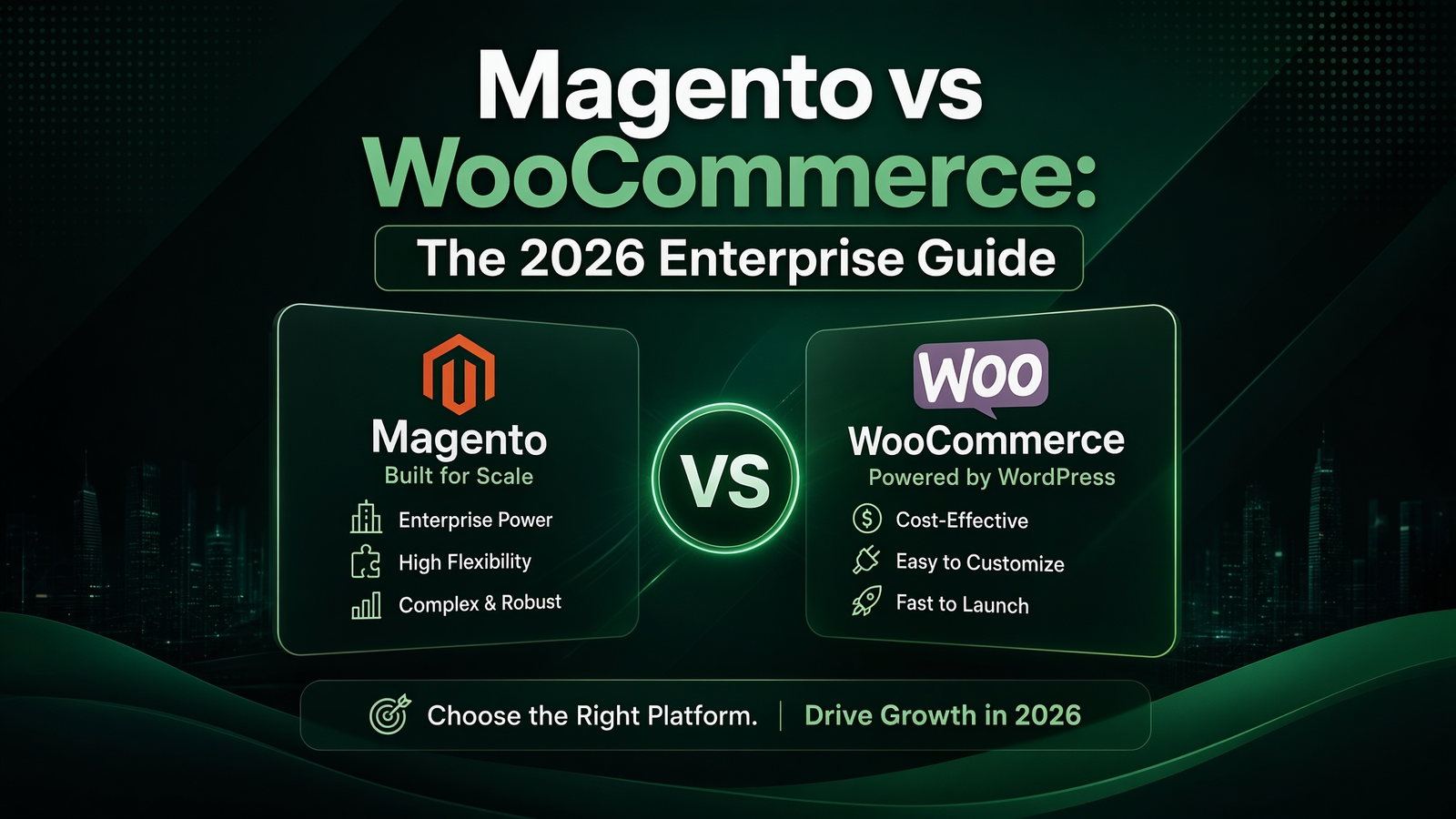
In short: Shopify is best for simple, fast launches; WooCommerce is ideal for full control and flexibility.
For many, the decision of WooCommerce vs Shopify can come down to whether you want a tailored experience or a simple solution.
2. Customization and Design Flexibility
WooCommerce gives you thousands of WordPress themes and tools like Elementor, so you can design a store that fits your brand. Developers can tweak existing themes or build new ones from the ground up to match your vision.
Shopify offers professionally designed themes that look great and are easy to use. For more advanced changes, you may need extra apps or a higher plan.
To sum up: WooCommerce is best for building a unique store, while Shopify is great for launching a good-looking site quickly.
As you explore options in WooCommerce vs Shopify, consider how much control you desire over your hosting environment.
Ultimately, your choice in WooCommerce vs Shopify should align with your long-term business strategy and customer experience goals.

3. Hosting, Performance, and Availability
With WooCommerce, you pick your own hosting provider, so you can upgrade resources and boost performance as needed. This is helpful for stores with lots of traffic or special server needs.
The decision of WooCommerce vs Shopify can also affect your transaction fees and payment gateway options.
Shopify takes care of hosting and automatically adjusts as your traffic grows. This is convenient, but you have less control over how the server is set up or customized.
In summary: WooCommerce gives you more control, while Shopify makes scaling up easy and reliable.
4. Payment Gateways and Transaction Fees
When it comes to marketing, the WooCommerce vs Shopify debate is important for visibility and search engine rankings.
WooCommerce lets you use almost any payment gateway, and there are no extra transaction fees from the platform. This is great for businesses that sell worldwide or need special payment options.
Shopify has its own payment system, but if you use other gateways, you’ll pay extra transaction fees. Multi-currency support is also limited unless you pick a higher plan.
Bottom line: WooCommerce is better for global or custom payment needs, while Shopify is easier to use but less flexible.
5. SEO and Marketing Capabilities
Understanding the WooCommerce vs Shopify cost comparison can help you budget effectively.
WooCommerce works well with top SEO plugins like Yoast SEO or All in One SEO, so you can control meta tags, URLs, sitemaps, and content. Since it’s built on WordPress, blogging and content marketing are easy, which helps bring in organic traffic.
In the context of customer support, WooCommerce vs Shopify reveals different strengths that might suit your needs.
Shopify has built-in SEO tools and apps to help with optimization, but you have fewer options for advanced changes.
In short: WooCommerce is best for advanced SEO, while Shopify covers the basics.
As you make your decision, keep in mind the WooCommerce vs Shopify framework in terms of scalability and growth potential.

6. Cost Comparison
| WooCommerce | Free plugin + hosting + optional premium plugins/themes |
| Shopify | $29–$299/month subscription + transaction fees + paid apps |
WooCommerce has flexible pricing, so you can scale and manage costs as you grow. Shopify’s fees are predictable, but they can go up as your store gets bigger, especially with add-ons and transaction fees.
Consider your unique requirements as you explore WooCommerce vs Shopify for the best fit for your business.
The right choice in WooCommerce vs Shopify can set the foundation for your e-commerce success.
7. Support and Community
At WebClyde, our experience with WooCommerce vs Shopify can guide you in building a successful online store.
Shopify offers 24/7 professional support by chat, email, or phone. WooCommerce mostly depends on community forums and guides, so you’ll need more technical know-how to solve problems.
To sum up: Shopify gives you quick help, while WooCommerce is better for those with technical skills or managed support.
8. Use Cases and Recommendations
- Startups and small businesses: Choose Shopify for a quick launch and easy growth.
- Custom stores and WordPress users: Go with WooCommerce for full control and room to grow.
- Enterprise or high-volume stores: Shopify Plus is best for advanced scaling and built-in support.
- Brands that need full customization: WooCommerce offers unlimited flexibility and full ownership.
9. Why Choose WebClyde for Your E-commerce Store
At WebClyde, we build Shopify and WooCommerce stores that convert, tailored to your brand by our team with over 15 years of experience.
- Custom theme and plugin development
- Seamless migrations and redesigns
- Performance optimization and speed enhancements
- Conversion-focused UX/UI design
We help businesses around the world attract, engage, and convert customers online.